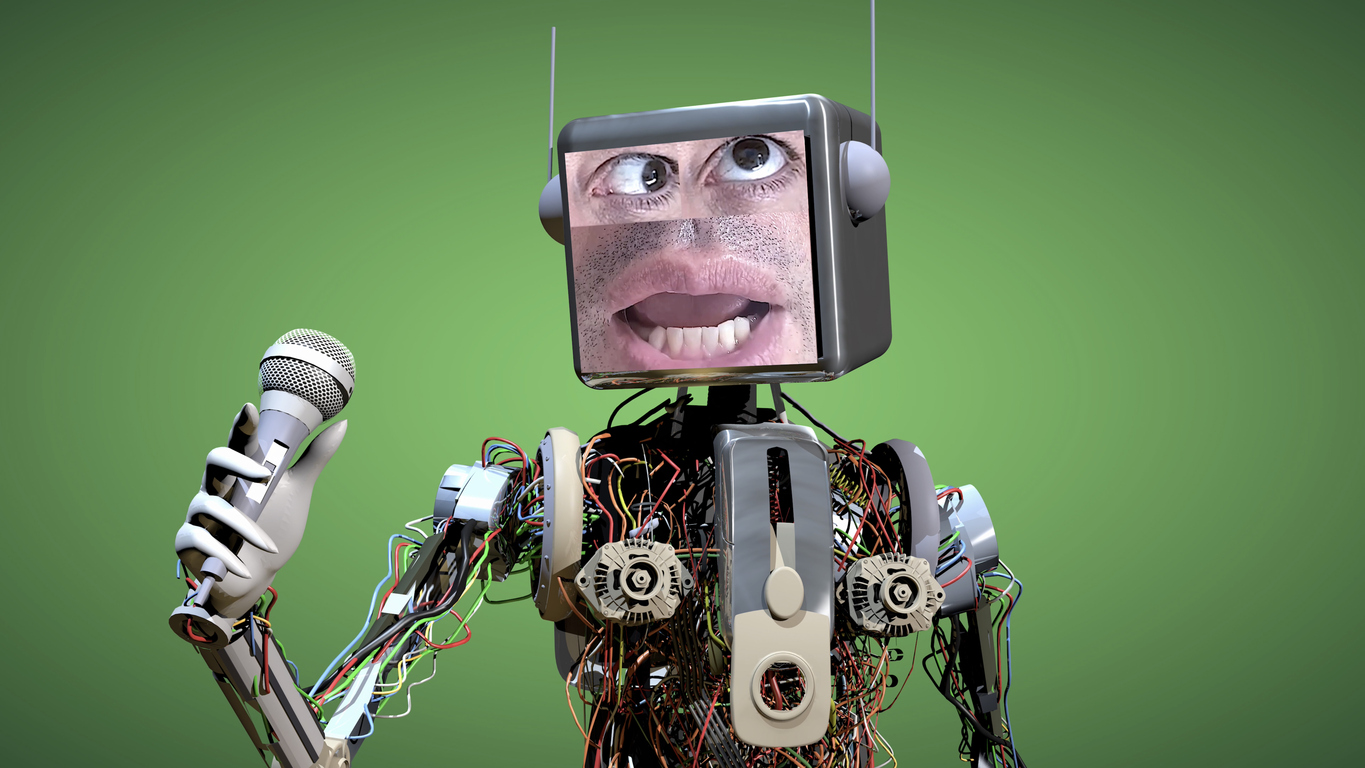
In the creative world, there's a persistent myth that's doing more harm than good: the idea of the "AI artist." This fallacy has permeated discussions about digital creativity, misleading both creators and audiences about what artificial intelligence can and cannot do in the realm of artistic expression.
For UX designers, creatives, and artists working in today's digital landscape, understanding this distinction isn't just academic - it's essential for maintaining the integrity of your craft and making informed decisions about how to integrate AI tools into your workflow.
AI Doesn't Create - It Recombines
The fundamental flaw in the "AI artist" concept lies in misunderstanding what AI actually does. When you prompt an AI system to generate a social media graphic, a video thumbnail, or a digital artwork, the system isn't creating from imagination or emotional experience. Instead, it's performing sophisticated pattern matching and recombination based on its training data.
Consider what happens when you ask AI to create an animated character for your social media campaign. The system analyzes millions of existing character designs, identifies common patterns, and generates something that statistically resembles what it has learned. There's no intentionality behind the color choices, no emotional reasoning for the character's expression, and no understanding of your brand's deeper meaning.
The Human Element in Digital Creation
True artistic creation - whether in video production, music composition, digital artwork, or animation - requires something AI fundamentally lacks: human experience and intentionality. When a UX designer chooses a particular color palette for an interface, they're drawing from their understanding of user psychology, brand identity, and emotional response. When a video creator selects a specific transition or pacing, they're making decisions based on their knowledge of storytelling and audience engagement.
This human element becomes even more critical in social media content creation. The most effective social media visuals aren't just aesthetically pleasing - they connect with audiences on an emotional level, reflect cultural understanding, and serve strategic communication goals that require human insight to achieve.
AI as Tool, Not Artist
The distinction between tool and artist is crucial for creative professionals. A digital camera doesn't make someone a photographer - it's the photographer's vision, timing, and understanding of composition that creates compelling images. Similarly, AI generation tools are sophisticated instruments that can accelerate certain aspects of the creative process, but they cannot replace the strategic thinking and creative vision that artists bring to their work.
In animation, for example, AI might help generate background elements or assist with in-betweening, but the storytelling, character development, and emotional arc still require human creativity and decision-making. The same principle applies to music production, where AI might suggest chord progressions or generate backing tracks, but the emotional expression and artistic vision remain distinctly human contributions.
Implications for Creative Professionals
For UX designers and creative professionals, recognizing the fallacy of the AI artist has practical implications. Rather than viewing AI as competition or replacement, successful creatives are learning to leverage these tools as powerful assistants that can handle routine tasks, generate initial concepts, or provide inspiration for further development.
The most valuable creative professionals in the AI age will be those who understand both the capabilities and limitations of these tools. They'll use AI to enhance their productivity while maintaining the human insight, strategic thinking, and emotional intelligence that makes their work truly valuable.
The Future of Human Creativity
As AI tools become more sophisticated, the gap between tool-generated content and human-created art isn't closing - it's becoming more apparent. Audiences can increasingly distinguish between content that feels authentic and meaningful versus content that appears technically proficient but lacks soul.
This trend is particularly evident in social media, where authentic, human-created content consistently outperforms obviously AI-generated materials in terms of engagement and emotional connection. The same principle applies across digital artwork, video content, and animation - technical proficiency alone isn't enough to create meaningful artistic impact.
The fallacy of the AI artist isn't just a semantic debate - it's a fundamental misunderstanding that can lead creative professionals astray. By recognizing AI tools for what they truly are - powerful assistants rather than creative replacements - artists, designers, and creatives can make better decisions about how to integrate these technologies into their workflow while preserving the human elements that make their work valuable and meaningful.
The future belongs not to AI artists, but to human artists who skillfully leverage AI tools to amplify their creative vision and efficiency. Understanding this distinction is the first step toward thriving in the AI-augmented creative landscape.