
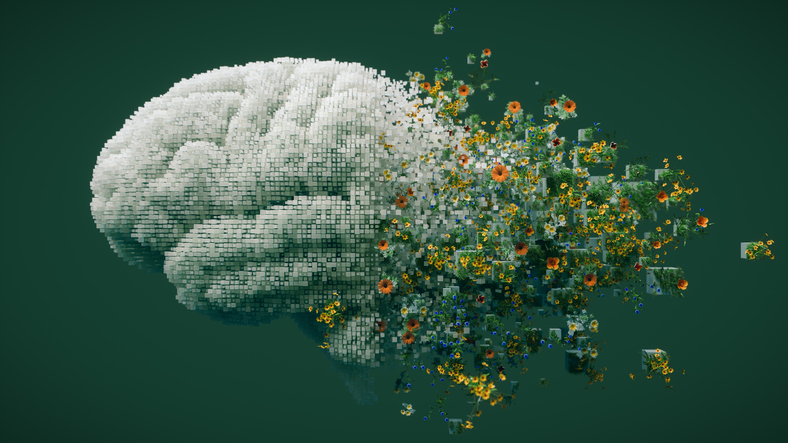
Why human oversight remains essential in the age of AI automation
The artificial intelligence revolution has arrived, and it's transforming how organizations operate at unprecedented speed. From automated customer service to predictive analytics, AI tools are becoming integral to business success. However, as leaders rush to implement these powerful technologies, a critical distinction often gets overlooked: the difference between artificial intelligence and actual intelligence.
While AI excels at processing data, recognizing patterns, and executing predefined tasks, it fundamentally lacks the contextual understanding, ethical reasoning, and adaptive problem-solving that human intelligence provides. This isn't a limitation to overcome - it's a feature to leverage.
The Human Element in AI Success
The most successful AI implementations don't replace human intelligence - they amplify it. When organizations maintain human involvement in the creation, deployment, and maintenance of AI tools, they create systems that are not only more effective but also more aligned with business objectives and ethical standards.
Strategic Creation and Design
Human intelligence drives the strategic vision behind AI implementation. While AI can process vast amounts of data, it takes human insight to identify which problems are worth solving, understand the nuanced needs of different stakeholders, and design solutions that align with organizational culture and values.
Consider the development of customer service automation. AI can handle routine inquiries efficiently, but human intelligence determines which interactions should remain human-to-human, how to maintain brand voice and personality, and when exceptions require escalation. This strategic oversight ensures that automation enhances rather than diminishes the customer experience.
Intelligent Deployment and Integration
The deployment phase reveals where human intelligence becomes indispensable. AI systems don't exist in isolation - they must integrate seamlessly with existing workflows, team dynamics, and business processes. Human operators understand the subtle complexities of organizational change management, can anticipate resistance points, and know how to communicate benefits effectively to different audiences.
Moreover, human intelligence guides the gradual rollout of AI capabilities, ensuring that teams are properly trained, processes are documented, and fallback procedures are in place. This measured approach prevents the disruption that can occur when AI is deployed without adequate human oversight.
The Power of Continuous Review Cycles
Perhaps nowhere is human intelligence more critical than in the ongoing evaluation and refinement of AI systems. While AI can optimize within defined parameters, it takes human judgment to assess whether those parameters remain relevant as business conditions evolve.
Performance Monitoring Beyond Metrics
AI systems excel at tracking quantitative metrics - response times, accuracy rates, throughput volumes. However, human reviewers can identify qualitative issues that metrics might miss: subtle shifts in customer sentiment, emerging edge cases that the system handles poorly, or unintended consequences that affect team morale or brand perception.
Regular review cycles led by human intelligence ensure that AI performance is evaluated holistically. This includes not just whether the system is working as designed, but whether the design itself remains optimal for current business needs.
Adaptive Learning and Evolution
Business environments change rapidly, and AI systems must evolve accordingly. Human intelligence provides the contextual awareness necessary to identify when market conditions, customer expectations, or competitive landscapes have shifted enough to warrant system adjustments.
These review cycles also serve as learning opportunities for the organization. Teams develop deeper understanding of AI capabilities and limitations, becoming more sophisticated in their requests and more effective in their collaboration with automated systems.
Building Sustainable AI Operations
The organizations that achieve lasting success with AI are those that view it as a collaborative technology rather than a replacement technology. They invest in building internal capabilities for AI management, create clear governance frameworks, and maintain active human involvement at every level.
Governance and Accountability
Human intelligence establishes the ethical frameworks and accountability structures that ensure AI systems operate within appropriate boundaries. This includes defining acceptable use policies, establishing audit procedures, and creating escalation paths for complex situations that require human judgment.
Without human oversight, AI systems can perpetuate biases, make decisions that seem logical but lack common sense, or optimize for metrics that don't align with broader organizational goals. Human intelligence provides the ethical compass and strategic perspective necessary to keep AI aligned with organizational values.
Innovation and Strategic Evolution
While AI can optimize existing processes, breakthrough innovations typically emerge from human creativity and strategic thinking. The most successful organizations use AI to free up human cognitive resources for higher-level strategic work - identifying new market opportunities, developing innovative solutions, and creating competitive advantages that go beyond operational efficiency.
This creates a virtuous cycle where AI handles routine tasks, enabling humans to focus on strategic initiatives that can further enhance AI capabilities and business outcomes.
The Path Forward: Integrated Intelligence
The future belongs to organizations that successfully integrate artificial and actual intelligence. This isn't about choosing between human and machine capabilities - it's about creating synergies that leverage the strengths of both.
AI provides speed, consistency, and the ability to process vast amounts of data. Human intelligence provides context, creativity, ethical reasoning, and the ability to navigate complex, ambiguous situations. Together, they create systems that are more robust, adaptable, and aligned with business objectives than either could achieve alone.
For sales leaders, design leaders, and C-suite executives, the imperative is clear: invest in AI capabilities, but invest equally in the human intelligence required to guide, monitor, and evolve those capabilities. Build review cycles into your AI operations from day one. Create feedback loops that capture both quantitative performance data and qualitative insights from human operators and customers.
The organizations that master this balance - that successfully combine artificial intelligence with actual intelligence - will not just survive the AI revolution. They'll lead it.